How to choose a calcium supplement
Calcium is the main mineral in bones and teeth. Adults need about 700 mg a day, which most people can get from dairy, fortified plant drinks, tofu, green vegetables, nuts and seeds. A supplement can help if your diet is low in these foods, for example if you avoid dairy.
What to look for
- Elemental calcium – compare products by the amount of calcium per serving, not the weight of the whole compound.
- Vitamin D – your body needs vitamin D to absorb and use calcium, which is why many calcium supplements include it.
- Vitamin K2 – often added alongside vitamin D in bone-focused formulas.
Products in this collection
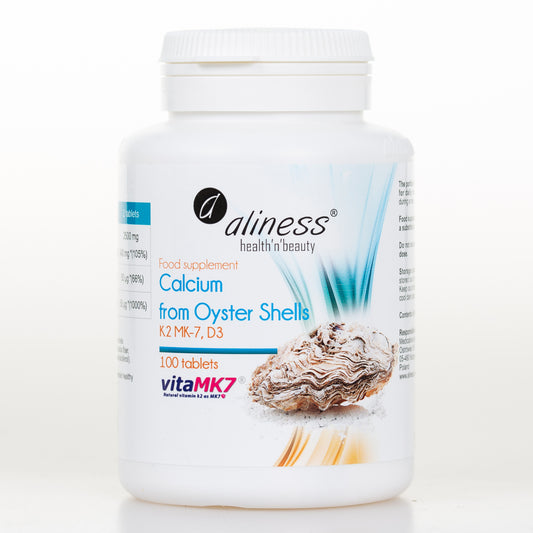
- Oyster Shell Calcium with vitamins K2 and D3 – calcium from oyster shell, combined with vitamin D3 and vitamin K2 in one tablet. Not suitable for vegans or people with a shellfish allergy.
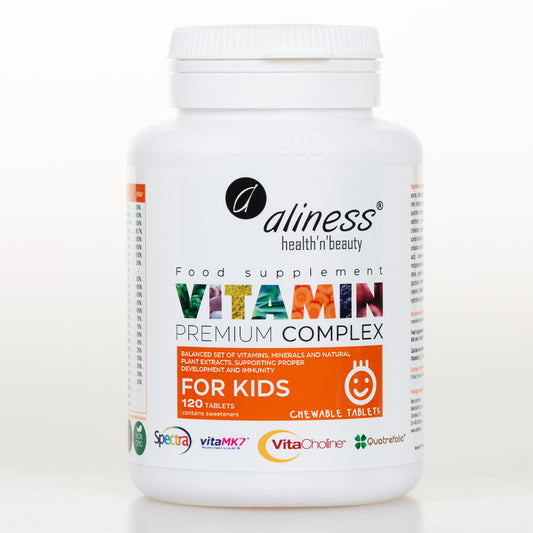
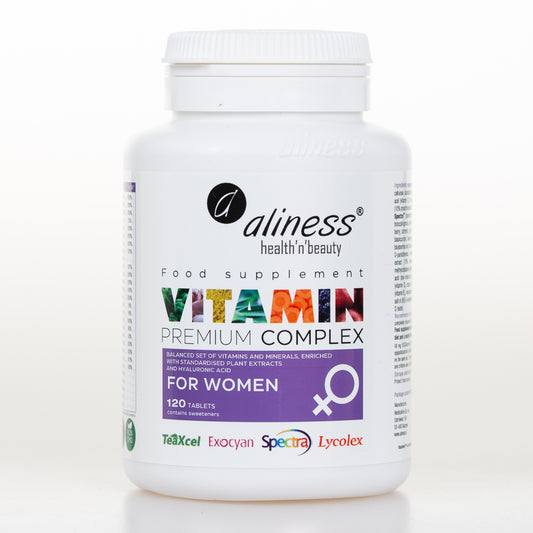
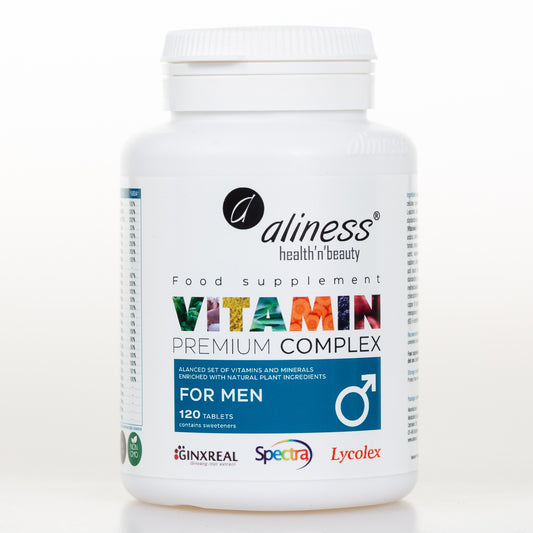
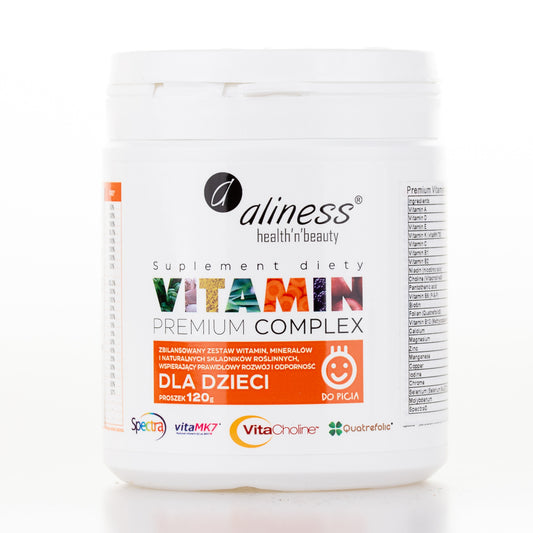
- Premium Vitamin Complex for women, men and children (tablets and powder) – multivitamins that include calcium alongside other vitamins and minerals.
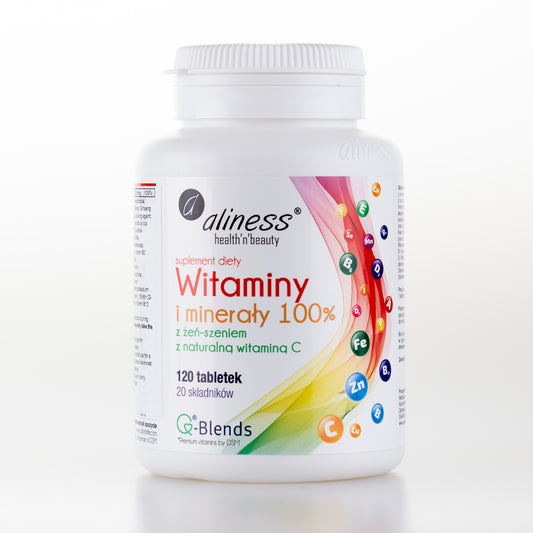
- Multivitamin and Minerals 100% with Ginseng – an all-round formula that contains calcium.
How much should you take?
Think of a supplement as a top-up to your diet. The NHS says that taking 1,500 mg or less a day from supplements is unlikely to cause harm. Your body absorbs calcium best in amounts of around 500 mg or less at a time, so split larger daily amounts.
How to take it
Take calcium with a meal. If you also take iron or zinc, take them at a different time of day, because calcium can reduce how well they are absorbed. Some medicines, including certain antibiotics and thyroid medication, should also be taken a few hours apart from calcium; ask your pharmacist.
What calcium does
Calcium is needed for the maintenance of normal bones and teeth. It also contributes to normal muscle function, normal blood clotting and normal neurotransmission. Vitamin D contributes to normal absorption and use of calcium. Vitamin K contributes to the maintenance of normal bones.
Good to know
- If you have a kidney condition, or take blood-thinning medicine (vitamin K can affect it), speak to your GP before you start.
- Do not exceed the recommended daily dose. Food supplements should not replace a varied, balanced diet.