How to choose a vitamin B6 supplement
Vitamin B6, also called pyridoxine, is found in poultry, fish, wholegrains, potatoes, peanuts and many breakfast cereals. Adults need about 1.4 mg a day (men) and 1.2 mg a day (women), and most people get this from food. A supplement can help if your diet is limited, and B6 is often combined with magnesium or the other B vitamins.
Products in this collection
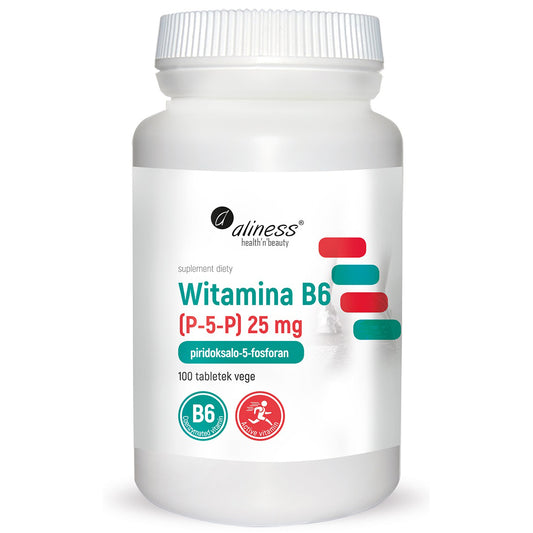
- Vitamin B6 25 mg tablets – vitamin B6 on its own, in vegan tablets.
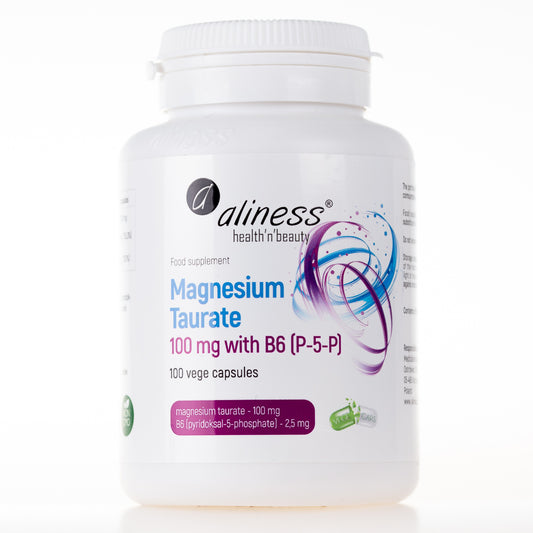
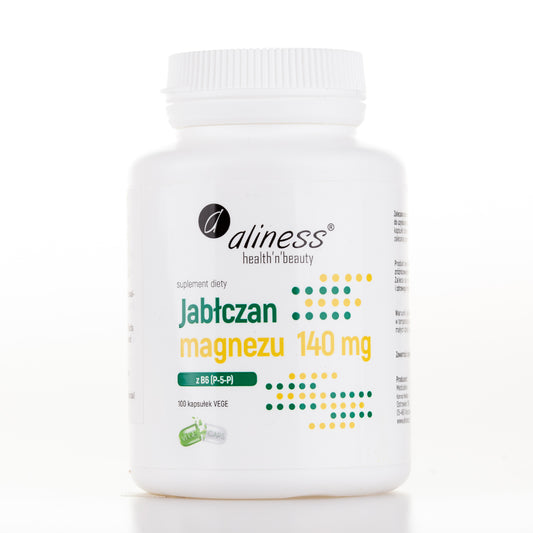
- Magnesium with vitamin B6 – citrate, taurate and malate capsules that combine magnesium with B6. Several use P-5-P (pyridoxal-5-phosphate), the active form of the vitamin.
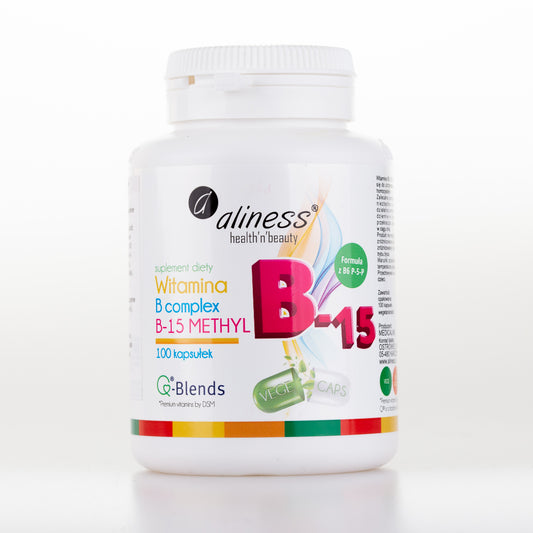
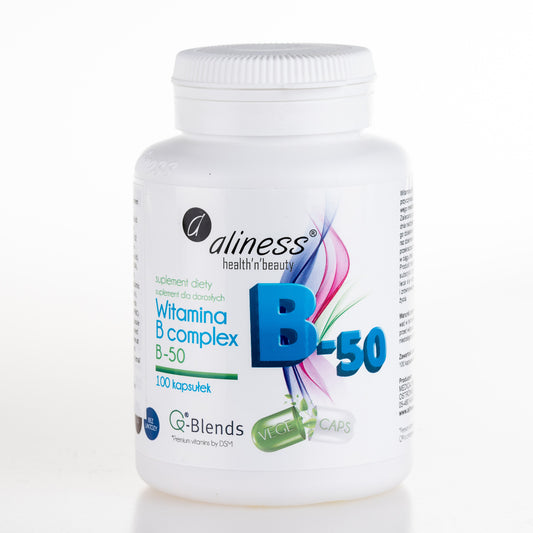
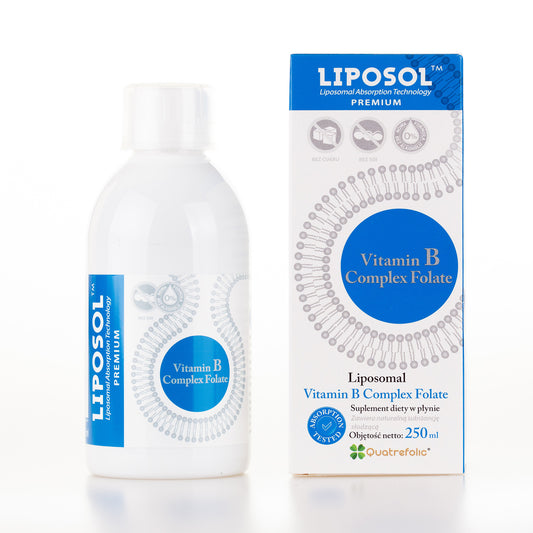
- B complex – B-50, Methyl B Complex, Vitamin B-15 Methyl Complex and Liposol liposomal B Complex supply B6 with the other B vitamins.
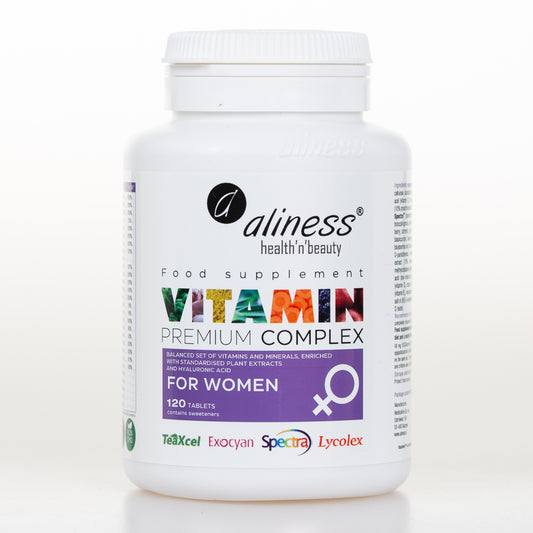
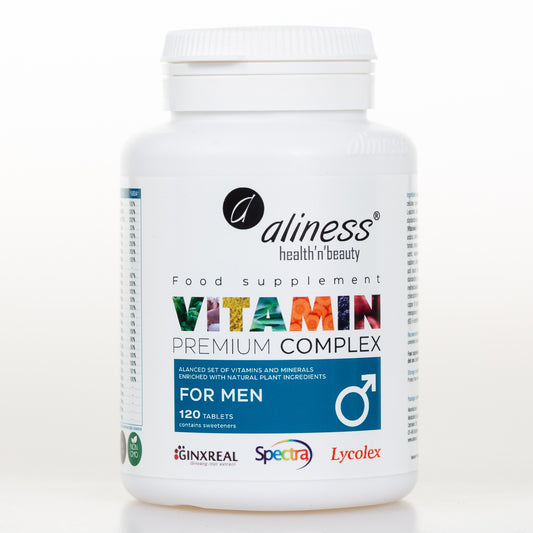
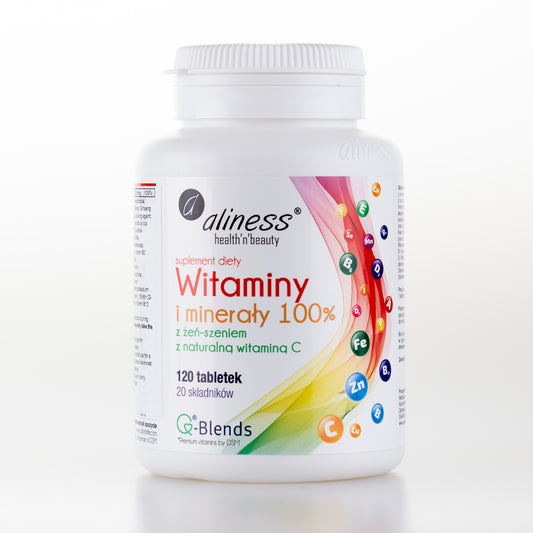
- Multivitamins – Premium Vitamin Complex for women and men, and Multivitamin and Minerals with Ginseng.
Pyridoxine or P-5-P?
Pyridoxine hydrochloride is the classic form, which your body converts to P-5-P. P-5-P is the form your body uses directly. Both count towards your intake in the same way.
How much should you take?
This matters more for B6 than for most vitamins. The NHS advises not taking more than 10 mg of vitamin B6 a day from supplements unless a doctor advises it, because taking large amounts over a long time can cause loss of feeling in the arms and legs. Some products in this collection contain more than 10 mg per serving, so check the label, and add up the B6 from every supplement you take, including magnesium, B complex and multivitamins.
How to take it
Take B6 with food, once a day. If you take a B complex, you usually do not need a separate B6 product.
What vitamin B6 does
Vitamin B6 contributes to the reduction of tiredness and fatigue, normal energy-yielding metabolism, normal protein and glycogen metabolism, normal red blood cell formation, normal psychological function, normal functioning of the nervous system, the normal function of the immune system and the regulation of hormonal activity.
Good to know
- If you take prescription medicines, speak to your GP or pharmacist before you start.
- Do not exceed the recommended daily dose. Food supplements should not replace a varied, balanced diet.