How to choose a vitamin D supplement
From October to early March the UK sun is too weak for your skin to make vitamin D, and few foods contain much of it. That is why the UK government advises everyone to consider a daily supplement of 10 micrograms (400 IU) during autumn and winter, and all year round if you spend little time outdoors. This collection covers vitamin D3 in capsules, tablets, drops and liposomal liquid.
D3, strengths and IU
All our products use vitamin D3 (cholecalciferol), the form your skin makes from sunlight. Strength is shown in micrograms (µg) or international units (IU): 1 µg equals 40 IU, so 25 µg is 1,000 IU and 50 µg is 2,000 IU.
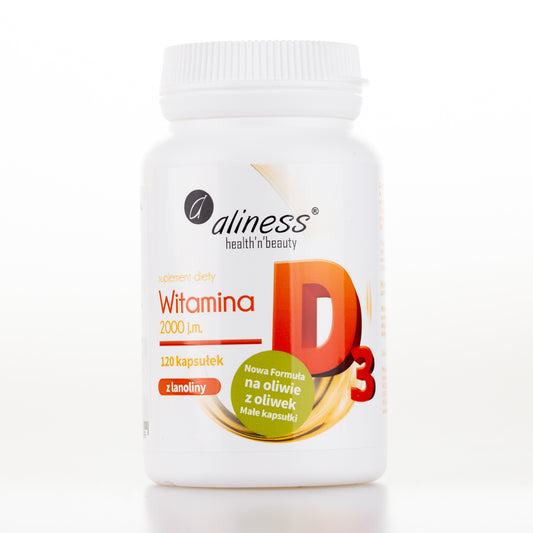
- Everyday strengths – Vitamin D3 2000 IU and D3 4000 IU Forte capsules in an olive oil base. Vitamin D is fat-soluble, so an oil formula is a sensible choice.
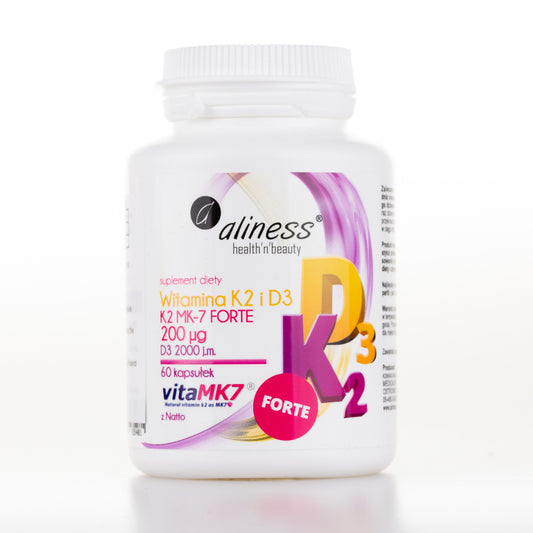
- D3 with K2 – capsules, drops and liposomal liquid that combine vitamin D3 with vitamin K2 MK-7.
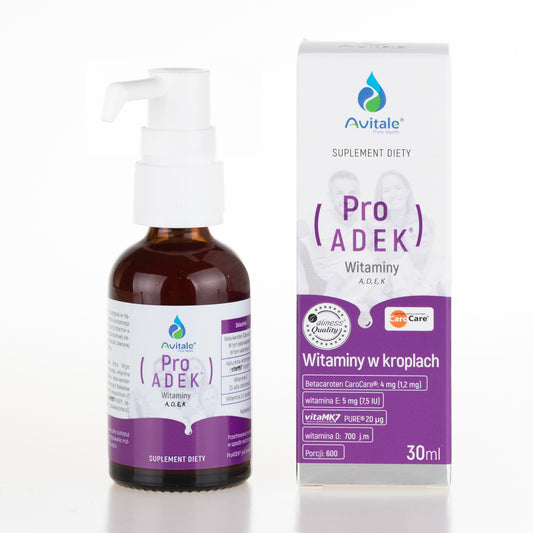
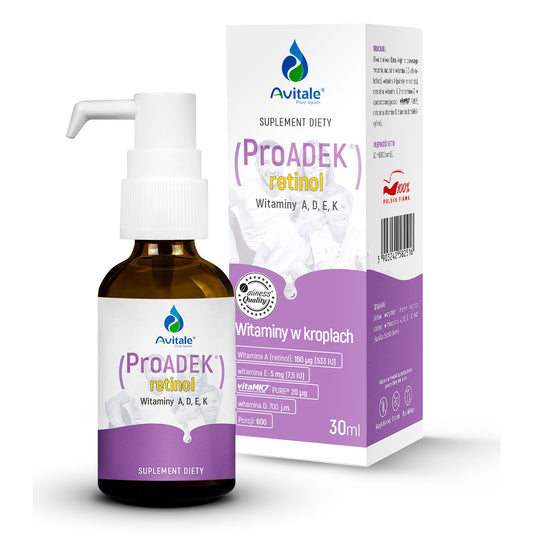
- Pro ADEK® – vitamins A, D, E and K together, as capsules or drops.
- Liquid and liposomal – drops and Liposol liquid for people who prefer not to swallow capsules.
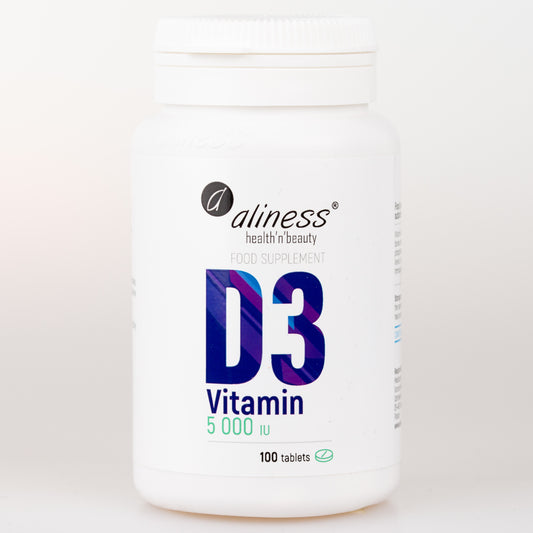
- Max Strength 5,000, 10,000 and 20,000 IU tablets – high-strength products for use on the advice of a doctor or pharmacist.
How much should you take?
The NHS advises adults not to take more than 100 µg (4,000 IU) a day unless a doctor recommends it, because too much vitamin D over a long period can raise blood calcium levels. If you are unsure which strength suits you, start with an everyday strength or ask your GP about a blood test.
How to take it
Take vitamin D with a meal that contains some fat, at the same time each day. Drops can go on a spoon or into food.
What vitamin D does
Vitamin D contributes to the maintenance of normal bones, teeth and muscle function, to normal absorption and use of calcium and phosphorus, to normal blood calcium levels and to the normal function of the immune system.
Good to know
- Looking for children's products? See our Vitamin D for kids collection.
- If you have a kidney condition or take prescription medicines, speak to your GP before you start.
- Do not exceed the recommended daily dose. Food supplements should not replace a varied, balanced diet.