
As seen in

Collection: Vitamin A Supplements

Vitamin A is a vital nutrient that plays a crucial role in various bodily functions. It is well-known for its role in supporting vision health, particularly in low light conditions. However, its benefits go beyond vision. Our Vitamin A supplements undergo rigorous quality control processes, ensuring that you receive a premium product that meets the highest standards of purity and efficacy.

Frequently asked questions

How much vitamin A do I need?

According to the NHS, men need about 700 µg and women about 600 µg of vitamin A a day. Most people get enough from a varied diet.

What is the difference between retinol and beta-carotene?

Retinol is the ready-made form of vitamin A found in animal foods such as liver, eggs and dairy. Beta-carotene comes from plants, and the body converts it into vitamin A as needed.

Can I take vitamin A during pregnancy?

The NHS advises avoiding supplements that contain vitamin A (retinol), and liver products, during pregnancy unless your doctor recommends them.

Can I take too much vitamin A?

Yes. The NHS says that having more than an average of 1.5 mg (1,500 µg) a day over many years may affect your bones. Count the vitamin A in multivitamins and cod liver oil too.

How to choose a vitamin A supplement

Vitamin A comes in two forms. Retinol, the ready-made form, is found in liver, oily fish, eggs and dairy. Beta-carotene is found in orange and green vegetables such as carrots, sweet potato and spinach, and your body converts it to vitamin A as needed. Most people get enough from food, but a supplement can help if your diet is limited.

Products in this collection

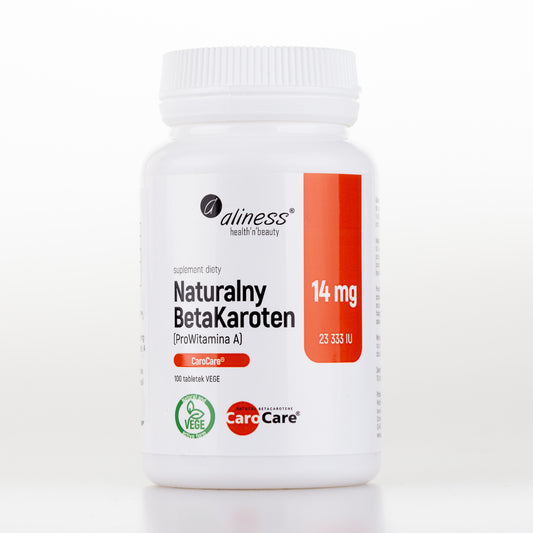
  • Natural BetaCarotene 14 mg – provitamin A in vegan tablets.
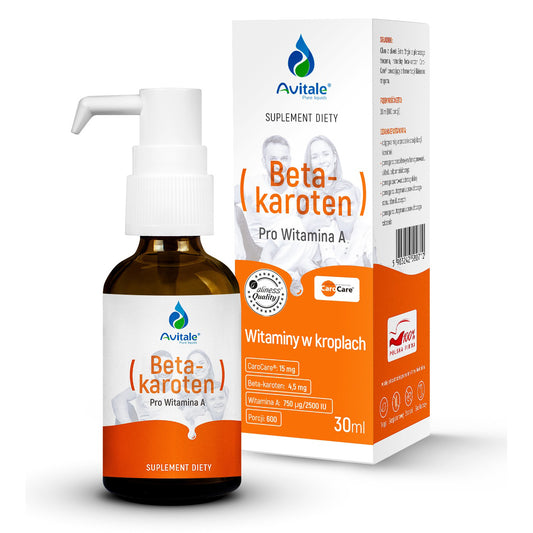
  • Avitale Natural BetaCarotene drops – CaroCare® beta-carotene, 4.5 mg, in a fat-based liquid.
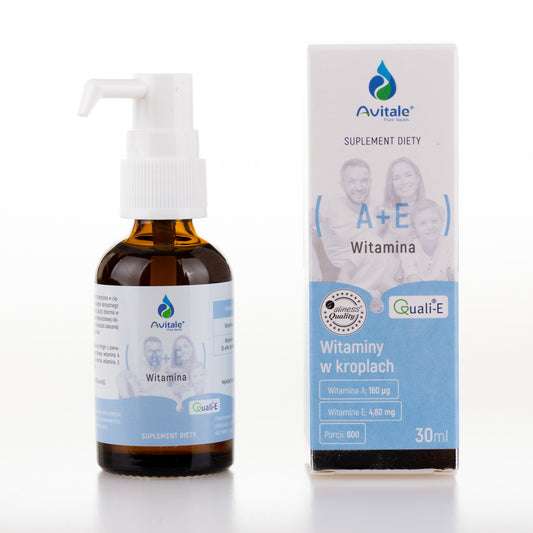
  • Avitale Vitamin A + E drops – two fat-soluble vitamins in one liquid.
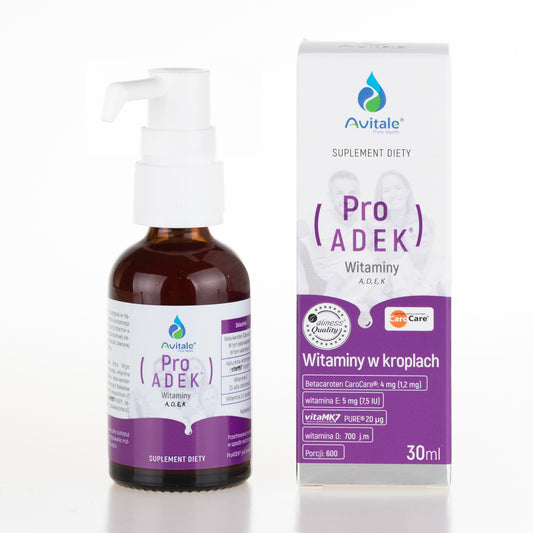
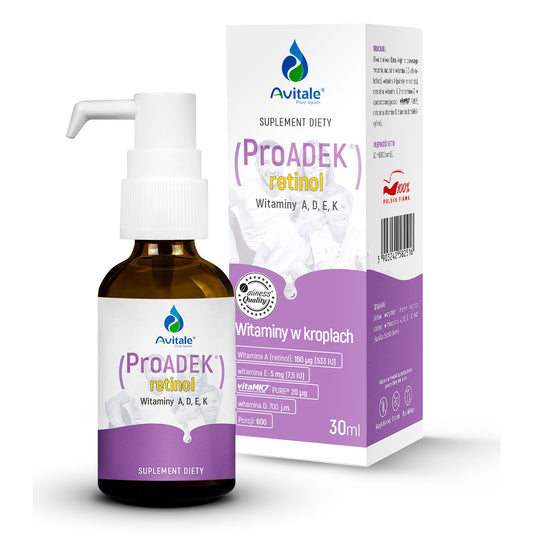
  • Pro ADEK® capsules and drops – vitamins A, D, E and K together. The "with Retinol" drops contain ready-made vitamin A; check each label to see which form of vitamin A a product uses.

Retinol or beta-carotene?

Beta-carotene gives your body the raw material, and it converts only what it needs, so it is the gentler everyday choice. Retinol is used directly. Because retinol builds up in the body, the NHS advises not taking more than 1.5 mg (1,500 µg) of vitamin A a day from food and supplements combined.

How to take it

Vitamin A and beta-carotene are fat-soluble, so take them with a meal that contains some fat. If you already take a multivitamin or Pro ADEK®, add up the vitamin A before adding another product.

What vitamin A does

Vitamin A contributes to the maintenance of normal vision, normal skin and normal mucous membranes, and to the normal function of the immune system and normal iron metabolism.

Important safety advice

  • Pregnancy: do not take supplements containing retinol (vitamin A) if you are pregnant or planning a pregnancy, unless your doctor advises it. Too much vitamin A can harm an unborn baby.
  • Smokers: if you smoke, speak to your GP before you take beta-carotene supplements.
  • Bones: older adults, particularly post-menopausal women, should keep total vitamin A within the NHS limit above.
  • Do not exceed the recommended daily dose. Food supplements should not replace a varied, balanced diet.