How to choose a zinc supplement
Zinc is a trace mineral found in meat, shellfish, dairy, bread, pulses and seeds. Men need about 9.5 mg a day and women about 7 mg. People who eat little meat may get less, because zinc from plant foods is absorbed less well. A supplement can help top up your intake.
Which form of zinc?
Zinc is always bound to another compound, and that compound gives each product its name.
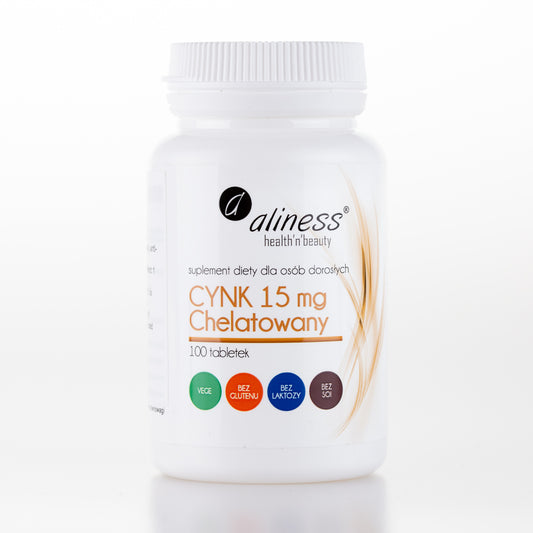
- Chelated Zinc Diglycinate – zinc bound to the amino acid glycine, in vegan tablets. Often chosen for being gentle on the stomach.
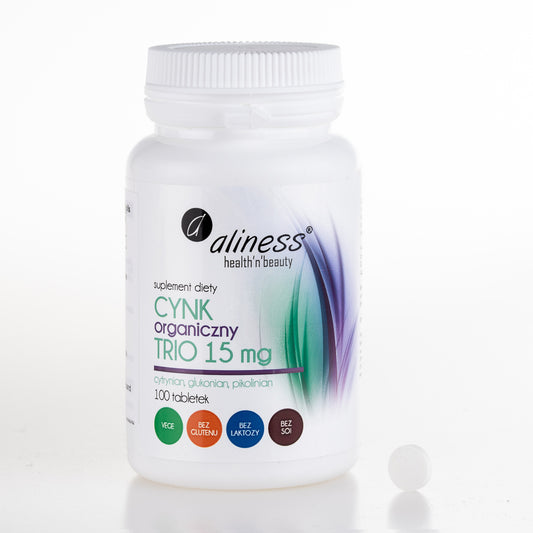
- Zinc Organic Trio – 15 mg of zinc from three forms (citrate, gluconate and picolinate) in one tablet.
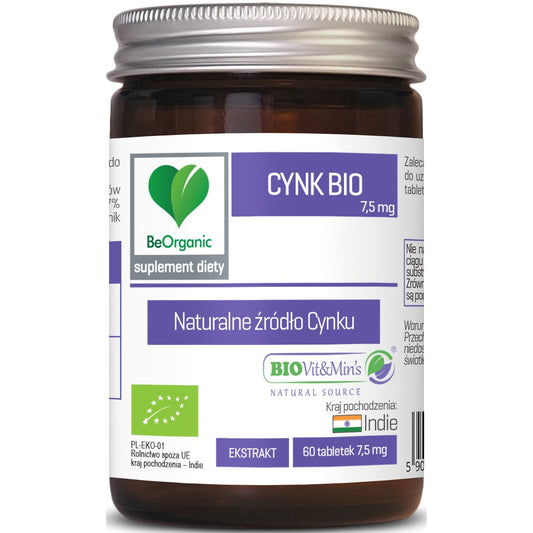
- BeOrganic Organic Zinc – a lower 7.5 mg dose, for a gentle daily top-up.
How much should you take?
The NHS advises not taking more than 25 mg of zinc a day from supplements unless a doctor recommends it. Taking high doses for a long time can reduce the amount of copper your body absorbs. Remember to count the zinc in any multivitamin or vitamin C with zinc product you take.
How to take it
Take zinc with food; on an empty stomach it can cause nausea. Keep it apart from calcium and iron supplements by a few hours, because they compete for absorption. Some antibiotics should also be taken at a different time; ask your pharmacist.
What zinc does
Zinc contributes to the normal function of the immune system, normal cognitive function, normal fertility and reproduction, and the protection of cells from oxidative stress. It also contributes to the maintenance of normal hair, nails, skin, bones and vision.
Choosing between them
- For a gentle everyday tablet, choose the chelated diglycinate.
- For a higher dose from several forms, choose the Organic Trio.
- For a smaller top-up alongside a multivitamin, choose BeOrganic Organic Zinc.
Good to know
- If you take prescription medicines, speak to your GP or pharmacist before you start.
- Do not exceed the recommended daily dose. Food supplements should not replace a varied, balanced diet.