How to choose an omega 3 supplement
The omega 3 fats that matter most are EPA and DHA. Oily fish such as salmon, mackerel and sardines are the main food source, and the NHS recommends at least one portion a week. If you rarely eat oily fish, or you follow a vegan diet, a supplement is an easy way to top up.
Fish oil or algae oil?
- Fish Omega 3 FORTE – 500 mg EPA and 250 mg DHA per serving, available as triglycerides or ethyl esters.
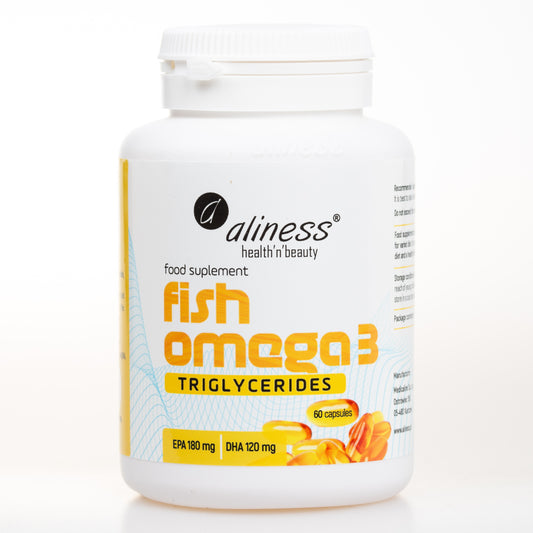
- Fish Omega 3 standard – 180 mg EPA and 120 mg DHA, a lower-strength everyday option.
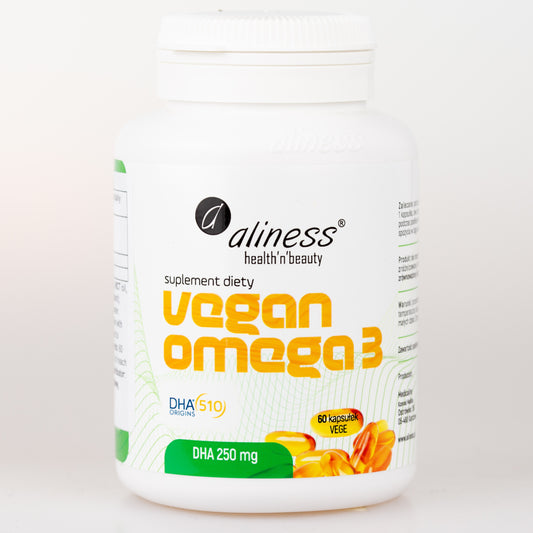
- Vegan Omega 3 DHA – DHA from algae, the original source of the omega 3 in fish, in 250 mg or 500 mg FORTE capsules. Suitable for vegans and anyone avoiding fish.
Triglycerides or ethyl esters?
These are two chemical forms of concentrated fish oil. Triglycerides are the form found naturally in fish; ethyl esters are a concentrated form that usually costs less. Both supply EPA and DHA. Whichever you choose, compare products by the EPA and DHA per daily serving, not the total oil weight.
Other oils in this collection
Omega 3-6-9, evening primrose oil and black cumin seed oil supply different fatty acids. They are not a replacement for EPA and DHA.
How much do you need?
Health claims for EPA and DHA are based on a daily intake of at least 250 mg of EPA and DHA combined, or 250 mg of DHA for brain function and vision. Each FORTE product provides more than this per daily serving.
How to take it
Take omega 3 with a meal. Some people find this reduces a fishy aftertaste. Store capsules in a cool, dry place.
What EPA and DHA do
EPA and DHA contribute to the normal function of the heart. DHA contributes to the maintenance of normal brain function and normal vision.
Good to know
- If you take blood-thinning medicines, or are pregnant or breastfeeding, speak to your GP or midwife first.
- Do not exceed the recommended daily dose. Food supplements should not replace a varied, balanced diet.