How to choose a collagen supplement
Collagen is the main structural protein in skin, cartilage, bones and tendons. Collagen supplements supply it as hydrolysed peptides or as native (undenatured) type II collagen, usually from fish or cows. This collection includes collagen sachets, capsules and powders, and joint formulas that combine collagen with other ingredients.
Which type of collagen?
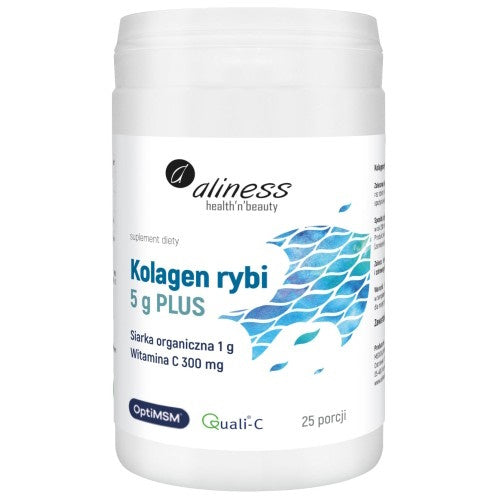
- Fish (marine) collagen – mainly type I collagen. Fish Collagen PLUS adds organic sulphur (MSM) and vitamin C.
- Bovine collagen – types I and III, plus native type II in our Bovine Collagen 5 g PLUS with OptiMSM® and vitamin C.
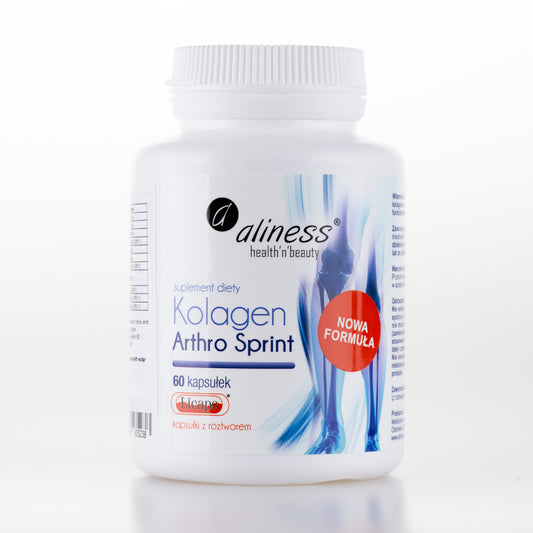
- Joint formulas – Duoflexin (capsules or powder) and Collagen Arthro Sprint combine collagen with other ingredients in one product.
- Collagen Medica 200 mg – a lower-dose capsule.
- Glycine powder – glycine is the most common amino acid in collagen.
Powder, sachets or capsules?
Hydrolysed collagen is usually taken in gram amounts (often 5–10 g a day), which is why it comes as powder or sachets. Capsules suit lower-dose and native type II products, which are taken in milligram amounts.
Why vitamin C matters
Your body needs vitamin C to form collagen, which is why many collagen products include it. If yours does not, a separate vitamin C supplement or vitamin C-rich foods are a good partner.
How to take it
Mix powders and sachets into water, juice or a smoothie; collagen dissolves easily and has little taste. Take at the same time each day, with or without food.
What the key nutrients do
Collagen itself has no authorised health claims. Vitamin C contributes to normal collagen formation for the normal function of bones, cartilage, skin, gums, teeth and blood vessels.
Good to know
- Collagen is an animal product, so it is not suitable for vegans. Fish collagen is not suitable for people with a fish allergy.
- If you take prescription medicines, speak to your GP or pharmacist first.
- Do not exceed the recommended daily dose. Food supplements should not replace a varied, balanced diet.